
Recycled Concrete Aggregate (RCA) for Syrian Reconstruction
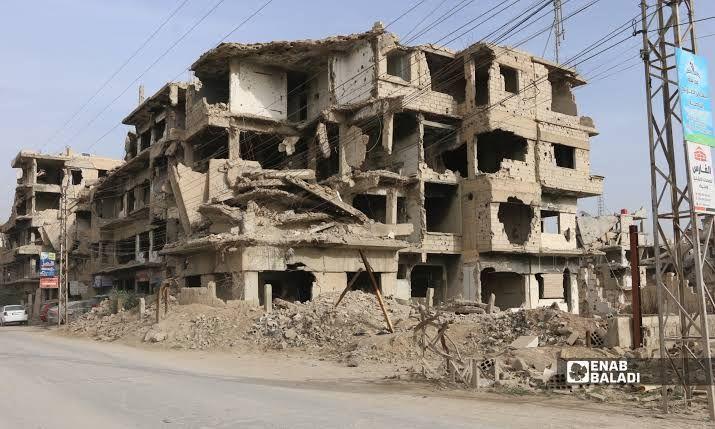
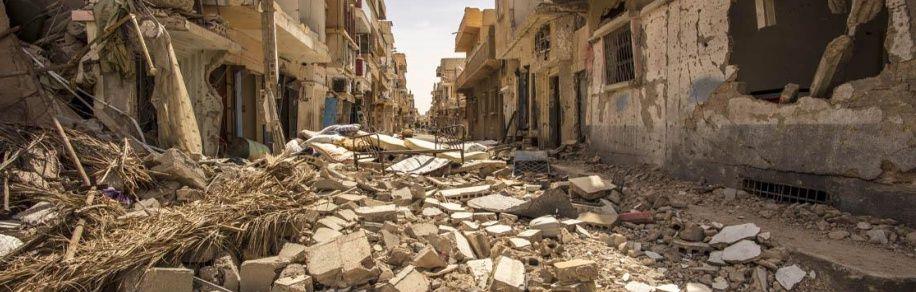
Syria's conflict and the 2023 earthquake have left an extraordinary volume of concrete rubble — more than 130,000 buildings destroyed and an estimated 50 million cubic meters of debris, roughly 70% of it reinforced concrete. SAEA's RCA initiative reframes this rubble not as a waste-management burden but as a local, ready-to-use construction resource. The sections below summarize the approach — for the full technical detail, readers are encouraged to review the Reconstruction RCA Implementation Roadmap and the Recycled Concrete Framework linked on this page.
What RCA Is
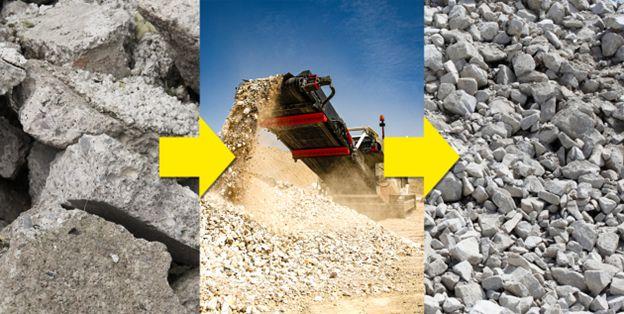
Recycled Concrete Aggregate is produced by demolishing damaged concrete structures, removing reinforcing steel, and crushing and screening the remaining material into graded aggregate. Because RCA carries adhered mortar from the original concrete, it differs from natural aggregate — lower density, higher water absorption, and greater variability — but these differences can be managed through proper source screening, processing, and mixture design. RCA is not a drop-in replacement for natural aggregate; its performance depends on quality control at every stage, from demolition through final testing. See the Framework document for the full technical breakdown of RCA properties, replacement levels, and durability considerations.
Why It Matters for Syria
Concrete debris exists precisely where reconstruction demand is greatest, so processing it near demolition sites cuts hauling costs, reduces reliance on imported aggregate, and reduces pressure on limited landfill capacity. RCA typically costs 20–30% less than natural aggregate, can divert 40–60% of construction and demolition waste from landfills, and can reduce embodied CO2 by 20–50% compared to conventional aggregate mixtures.
Summary RCA Statement - Arabic
-
In the following file, SAEA provides a summary in Arabic for Arabic-only readers in Syria, including students, faculty, contractors, government officials, and other interested parties.
 Loading...

 Reload document
 Open in new tab
The Roadmap: A Tiered, Phased Approach
SAEA's framework moves from lower-risk to higher-value uses as local capacity grows: fill, road sub-base, and drainage layers first; then sidewalks, curbs, and non-structural concrete; and ultimately structural concrete with full material characterization and quality assurance. This progression — paired with a phased implementation roadmap covering institutional setup, debris mapping, equipment selection, quality control, workforce training, and long-term policy integration — allows cities to begin using RCA immediately while building toward higher-value, code-compliant applications over time. The full Implementation Roadmap includes detailed phase-by-phase actions, timelines, and outputs.
Loading...
A Pilot Model for Syrian Cities
SAEA has outlined a step-by-step implementation plan applicable to Aleppo, Homs, Damascus, and similar urban centers, with Aleppo proposed as a demonstration pilot. The goal is a measurable, replicable model: recycling a significant share of local concrete debris, cutting aggregate costs, creating jobs, and establishing the technical standards and institutional practices needed for RCA to become a lasting part of Syria's construction sector. The Aleppo pilot example, complete with targets and KPIs, is detailed in the Roadmap Document.
The Full Technical Report
SAEA's Report on Recycled Concrete Aggregate (SAEA Report No. CE100-26) is the detailed technical study behind the Framework and Roadmap summarized above. It covers RCA sources and generation, production and crushing processes, physical and mechanical material properties, concrete mixture design with RCA, structural applications and pavement design, environmental benefits and sustainability, and the economics, standards, and challenges facing RCA adoption. It closes with a set of concrete recommendations for Syria — including adopting a formal RCA standard, requiring recycled content in publicly funded projects, and investing in local testing and quality-control capacity. Readers seeking the underlying data, test results, and full engineering rationale behind the Roadmap and Framework should refer directly to this report.
Loading...
The Opportunity
RCA is not a standalone fix — it's a strategic component of a resilient, locally driven reconstruction effort, turning the physical legacy of destruction into the material foundation for rebuilding.
Loading...