
SAEA Earthquake Task Force
Bringing structural and seismic engineering expertise to earthquake-affected communities in Syria through rapid building assessment, technical training, and engineering support for safe recovery and reconstruction.
About the Task Force
Earthquakes can cause severe structural damage, ground failure, service disruption, and significant human and economic losses, especially in densely populated cities. How a building performs during an earthquake depends not only on the magnitude and distance of the event, but on its structural configuration, materials, foundation conditions, and construction quality.
The Syrian American Engineers Association (SAEA) Earthquake Task Force brings together experienced structural, civil, and seismic engineers to help communities understand and respond to these risks. Working in collaboration with engineers inside Syria, the Task Force provides technical expertise, standardized assessment tools, training, and senior engineering review so that damaged buildings can be evaluated quickly, consistently, and to international standards.
Damage assessment is a vital first step in recovery, reconstruction, and rebuilding. Our goal is not simply to return to how things were, but to help rebuild safer, more resilient communities that benefit from modern construction knowledge.
What We Do
Post-Earthquake Damage Assessment
Field teams inspect buildings using SAEA Form PA-EQ01, a quick assessment form based on ACI and FEMA guidelines, to document damage and determine whether structures are safe to occupy.
Engineering Review & Evaluation
Senior consulting engineers review field data, sketches, and photographs to confirm findings, evaluate structural adequacy, and recommend repair or strengthening solutions where feasible.
Training & Capacity Building
Local engineers receive technical and safety training from SAEA so they are prepared and equipped to carry out assessments in the field.
Seismic Education
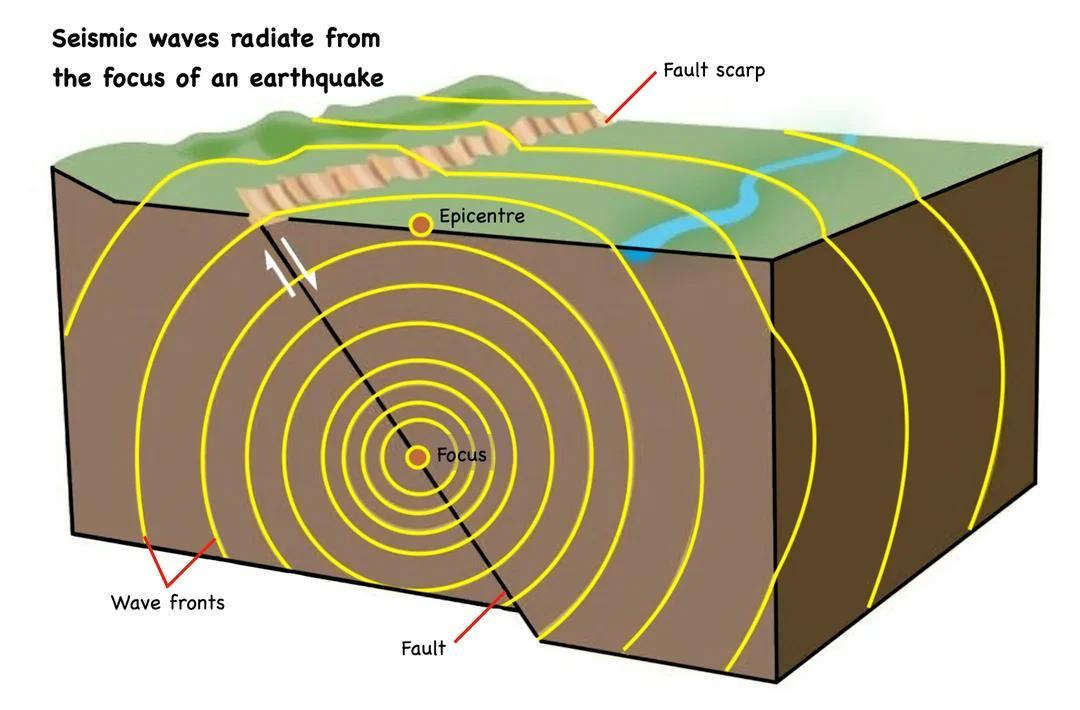
We share foundational knowledge of earthquake engineering — how earthquakes occur, how seismic waves affect structures, and how magnitude and intensity are measured — to strengthen seismic awareness among engineers and the public.
Our Assessment Approach
The Task Force follows a structured procedure adapted from the ASCE Standard Guideline for the Structural Condition Assessment of Existing Buildings. Cities are divided into zones, neighborhoods, and sectors, and each team of two or more engineers is assigned a defined area to assess.
- Planning — Teams review the safety protocol, study the assessment forms and database tools, prepare equipment, coordinate with local authorities, and receive their assigned sector.
- Field Assessment — Engineers visit each building, complete the assessment form, photograph and sketch damaged members and cracks, identify the structural system, and record material properties where possible.
- Evaluation — SAEA and local engineers evaluate the findings and determine the adequacy of each structure. If information is insufficient, teams return to the site for additional data.
- Cost Estimation — For salvageable buildings, a cost-impact study determines whether repair and strengthening are cost-effective; otherwise, demolition costs are estimated.
- Recommendation — Each structure is tagged according to its condition, and repair or strengthening plans are prepared where appropriate.
- Reporting — A detailed report is issued for buildings to be strengthened, including the assessment summary, global and lateral structural analysis, recommended strengthening method, and cost estimate.
What Inspectors Evaluate
The SAEA quick assessment form captures building information and key seismic vulnerabilities, including:
- Structural system, number of stories, date of construction, and typical column and wall dimensions
- Infill and masonry wall type, thickness, and density in each direction
- Soft stories, captive (short) columns, vertical irregularities, discontinuities, torsion, and corner or pounding conditions
- Slab type, tie spacing and hook details, and any previous strengthening or repair
- Signs of splice failure, concrete crushing, bar buckling, shear failure, and joint failure
- Plan and elevation sketches documenting the location and severity of damage
Damage Scale
| Damage Level | Reinforced Concrete Structure | Masonry Walls |
|---|---|---|
| None | No damage observed | No damage observed |
| Light | Hairline inclined and/or flexural cracks | Hairline cracks; flaking of plaster |
| Moderate | Spalling | Cracks in walls and joints between panels; flaking of large pieces of plaster |
| Severe | Local structural failures | Wide and through-cracks in walls and joints between panels |
| Collapse | Collapse | Collapse |
Building Tagging
Our Teams
Rapid post-earthquake assessment requires experienced engineers who can make sound decisions quickly, often with limited access to original design documents. The Task Force is organized around two levels of expertise:
Engineering Inspection Teams
Three-person field teams led by a Lead Structural Engineer (8+ years of structural experience, including seismic work), supported by a Civil Engineer (3+ years of structural experience) and an Assistant Engineer holding a degree in civil or architectural engineering.
Senior Consulting Review Committee
Three consulting, licensed, chartered, or seismic-specialist engineers with 18+ years of structural experience, or a Ph.D. in structural engineering and 15+ years of experience. At least one member has specific expertise in seismic design. The committee reviews and confirms all field decisions.
Safety and Equipment
Inspector safety comes first. Every field team is equipped with personal protective equipment (hard hat with head lamp, gloves, safety glasses, steel-toe boots, high-visibility vests, and dust masks) along with the tools needed for a quality inspection, including printed forms, measuring tapes and laser distance meters, flashlights, binoculars, GPS-enabled cameras, and local area maps. Recommended additions include rebar detectors, crack-width gauges, and two-way radios. Teams coordinate closely with local authorities in the areas where they operate.
Why It Matters
Accurate, well-documented damage assessment provides the information needed to prioritize immediate recovery, help displaced families return to safe homes, and plan long-term reconstruction. By combining the expertise of Syrian American engineers with the knowledge of engineers on the ground, the Task Force helps ensure that rebuilding decisions are grounded in sound engineering — and that the structures of tomorrow are safer and more resilient than those of the past.
Get Involved
SAEA welcomes structural, civil, and seismic engineers who want to contribute their expertise as field inspectors, technical reviewers, trainers, or advisors. To learn more or volunteer with the Earthquake Task Force, please contact SAEA.
Recent Comments