

What is Recycled Concrete Aggregate?
Recycled concrete aggregate (RCA) is produced by crushing and processing hardened waste concrete, offering a sustainable alternative to virgin aggregates in construction, with applications ranging from road bases to concrete mixtures.
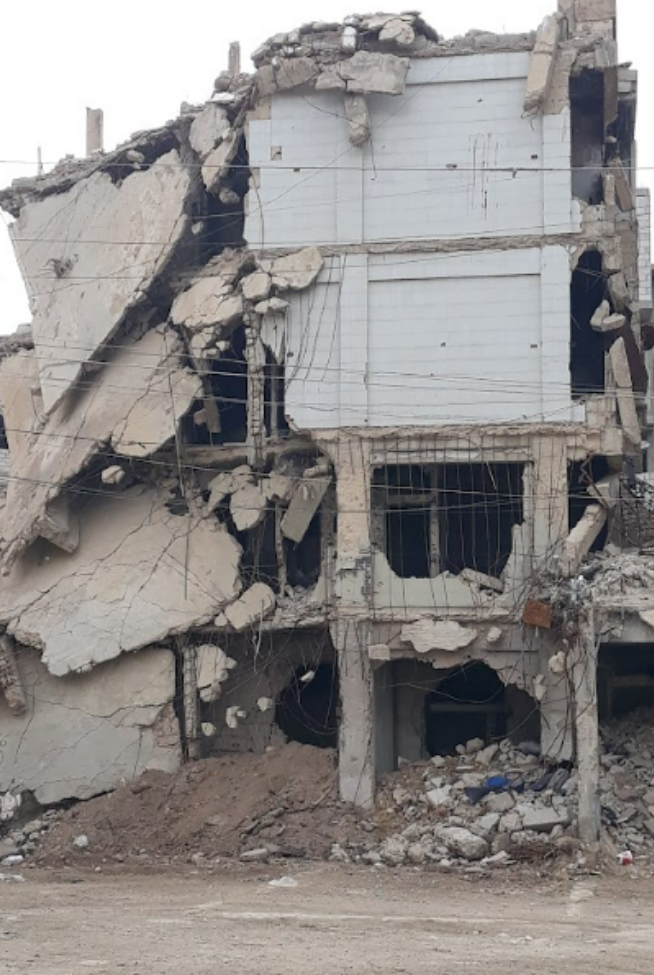
- RCA is created by crushing and processing concrete from demolition or construction sites. The processing requires extensive separation of reinforcing steel and all other organic and foreign materials such as wood, glass, rubber-based contaminants.
- RCA is a viable alternative to virgin aggregates, which are obtained through the energy-intensive and environmentally taxing mining and quarrying processes.
- RCA is most commonly used as a backfill material or as the base material for roads and pavements. It may be conditioned further and tested to be qualified for use in mixtures for structural concrete applications in buildings and structures in accordance with prevailing codes and standards.
How is RCA Produced?
- Collection: Demolished concrete is collected from construction and demolition sites and transported to recycling sites.
- Refining: The collected concrete is refined to remove contaminants like wood, metal, glass, rubber, and other debris.
- Sorting: Reinforcing steel bars, ties, embeds, anchorage, and other metals are removed using magnets and other methods.
- Crushing: The refined concrete is crushed to a specific size and quality, typically between 1-2 inches or based on available equipment or mandated specifications.
- Processing: The crushed concrete is then processed to ensure uniformity and meet specific quality standards.
3. What are RCA Benefits?
- Sustainability: RCA reduces the need for mining and quarrying, conserving natural resources and reducing environmental pollution.
- Cost-Effectiveness: RCA can be cheaper than virgin aggregates, as it's a byproduct of construction and demolition.
- Environmental Impact: Recycling concrete reduces waste and landfill burden while eliminating the need for new costly construction material promoting a healthy economy.
- Versatility: RCA can be used in various applications, including road bases, backfill, earth retention, concrete mixes, and other construction projects.
4. Applications of RCA:
- Road Construction: RCA is commonly used as a base material for roads and pavements.
- Recycled Aggregate Concrete: RCA can be used as a partial or full replacement for traditional aggregates to make recycled aggregate concrete (RAC).
- Foundation Work: RCA can be used as a sub-base material for driveways, parking lots, and foundations.
- Yard Drainage Systems: RCA can be used to construct yard drainage systems or as decorative gravel in parks and trails.
- Embankments and Structural Fill: RCA can be used for engineered embankments and structural fill.
5. RCA Quality and Testing:
- Testing: RCA must be tested to ensure it meets the required quality standards for its intended application, especially if used to replace virgin aggregates in concrete mixtures.
- Engineering Properties: Important properties include gradation, particle shape, specific gravity, absorption, moisture content, durability, and permeability.
- Quality Assurance: Testing includes evaluating strength, durability, organic content, and other relevant properties. Quality control measures are essential to ensure the reliability and performance of RCA in construction projects.
To get involved in SAEA committees and projects, please apply for membership at www.SAEA-US.org/join
For more information, please contact PR@SAEA-US.org
About the Syrian Engineers Association (SAEA): The Syrian American Engineers Association (SAEA) is a non-governmental, non-profit professional organization that has supported engineers in Syria and across the diaspora. The Association is committed to enhancing the professional capacity of engineers, advancing engineering standards, and contributing to the rebuilding and development of Syria’s infrastructure. SAEA continues to offer vital resources and expertise to engineers in both the USA and Syria, focusing on damage assessment, infrastructure restoration, and long-term rebuilding efforts.

It is very good article .